Yep, we may get a tiny thank-you (read: commission) when you buy through
links on Gadgetspotr — not enough for a yacht, but enough to keep the lights (and
servers) on.
Learn more
52
Highlights
76
Differences
5
Reactions
0
Likes
Snapmaker U1
vs
Bambu Lab H2C:
52 Highlights & 76 Differences —
So, Which 3D Printer Actually Works Better
Great value on both sides: U1 for affordability, H2C for rich features and business use.
What sets Snapmaker U1 apart from Bambu Lab H2C? This 3d printers face-off compares specs like product name, weight, folded width & build-to-printer size ratio and beyond.
Snapmaker U1 vs Bambu Lab H2C: A Detailed 3D Printer Showdown
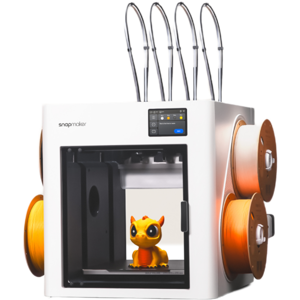
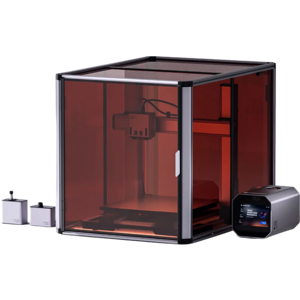
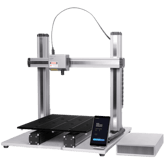
When choosing a 3D printer, the balance of performance, versatility, and price often guides the decision. Both the Snapmaker U1 and the Bambu Lab H2C cater to FDM/FFF technology enthusiasts but diverge significantly in scope and target audiences. The U1 targets beginners and consumers with its prebuilt, open-frame CoreXY design and four extruders.
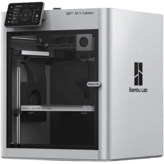
At the same time, the H2C aims for intermediate to professional users seeking a compact, enclosed system with a heated chamber and multi-material capabilities. Both provide touchscreen interfaces, carbon filtration, and built-in cameras, offering modern conveniences. However, their differences in build volume, print speed, hardware sophistication, and business-oriented features set the stage for a tough but clear comparison.
Snapmaker U1: Ready-to-Print, Beginner Friendly, and Budget-Conscious
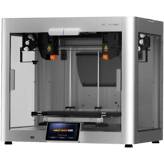
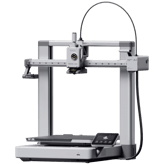
Starting with the Snapmaker U1, this printer is a solid choice for newcomers to 3D printing thanks to its user-friendly setup and prebuilt design. Its larger footprint (22.9x19.6x28.7 inches) and heavier build (40.1 lbs) reflect a robust, open-frame structure that accommodates a sizable build volume of 10.6-inch cube. Impressively, it boasts four extruders, allowing for multi-extruder experimentation, though limited to a single material per print. The direct drive extrusion system and heated bed provide flexibility for common filaments like PLA, ABS, PETG, TPU, and more.
Print performance is competitive, with an effective print speed of 80 mm/s and a decent 95% print success rate. The printer includes useful safety features such as three safety sensors, emergency stop capability, and overheat protection. Maintenance is user-friendly thanks to tool-free access and filament runout detection. Connectivity options cover USB, Wi-Fi, and LAN, supported by proprietary slicing software designed for ease of use.
For creators mindful of their workspace, the U1 occupies a larger footprint compared to the H2C but offers a slightly bigger build-to-printer-size ratio, useful for larger prototypes or miniatures. Powered internally, it consumes more energy (1150W) but compensates with an energy-saving mode during idle times.
Bambu Lab H2C: Speed, Precision, and Professional Capabilities Wrapped in a Compact Enclosure
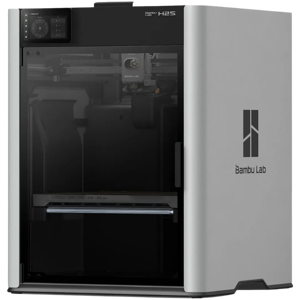
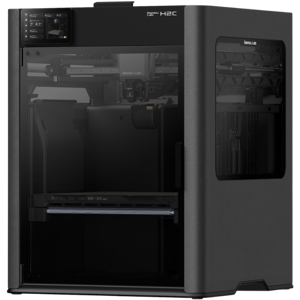
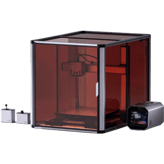
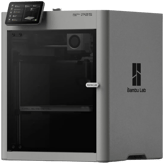
On the other side, the Bambu Lab H2C trims down size and ups the performance ante with a compact, enclosed CoreXY frame measuring just 15.31x15.31x17.99 inches and weighing 30.86 pounds. This translates to a significantly smaller footprint (1.63 sq ft), ideal for tight environments. The key eye-catcher is its large build volume, nearing a 10-inch cube (1023.74 in³), combined with a heated chamber that can reach up to 140°F. This enclosure improves print quality, especially with advanced filaments like carbon-fiber reinforced and engineering-grade materials.
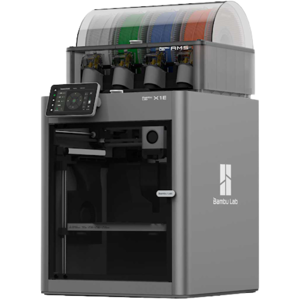
Performance-wise, the H2C is in a league of its own with a blazing 350 mm/s effective printing speed, enabling it to churn out detailed Benchy prototypes in just 18 minutes. It also boasts exceptional print quality, bridging (score of 50) and overhang capabilities (75), plus a stellar 99% success rate. Its single extruder's quick-swap nozzles and modular toolheads, particularly the AMS multi-material system, unlock the ability to print up to 16 materials at once, surpassing U1's single material limitation.
Beyond hardware, its software and connectivity system shine. The H2C uses cloud-based management tools, remote monitoring, and fleet control features accessible via Wi-Fi and an SD card slot. It supports a wide array of file formats, including STL and OBJ, through the Bambu Studio slicer software. These capabilities underpin its suitability for business and professional environments, further enhanced by comprehensive safety sensors (five total), predictive maintenance alerts, and extensive user management options.
Additionally, the H2C impresses with lower energy consumption of 350W, and safety features like a fireproof build plate and child lock. Its linear rail motion system delivers smoother and more precise movements compared to the belt-driven U1, making it a powerhouse for demanding projects.
Quick Take
The Snapmaker U1 stands out for budget-conscious beginners wanting an accessible, prebuilt 3D printer with multiple extruders and solid filament compatibility. Meanwhile, the Bambu Lab H2C is a high-speed, precision-focused machine tailored for professionals and businesses needing multi-material printing, advanced safety, and remote fleet management.
Bottom Line
For casual makers and newcomers, the Snapmaker U1 delivers a capable, straightforward printing experience and a lower price tag to ease entry into 3D printing. Conversely, the Bambu Lab H2C justifies its premium cost through blazing speed, superior print quality, and comprehensive features designed for advanced users and professional settings. Those demanding multi-material versatility and reliable cloud-based management will find the H2C hard to beat.
Verdict
Winner: Bambu Lab H2C - leads with unmatched speed, multi-material support, enclosed heated chamber, and professional-grade features.
Runner-up: Snapmaker U1 - perfect for beginners or budget-focused users looking for a solid, versatile 3D printer with a larger build volume and multiple extruders.
In the battle of Assembly Required,
Snapmaker U1 ◉ is
same as
Bambu Lab H2C ◉
.
Don’t keep it to yourself — be the first to react and review the
Assembly Required on Snapmaker U1 ◉
vs Bambu Lab H2C ◉ and help others decide!
Printer Type
What type of printer is it?
0
Snapmaker U1
0Votes
FDM/FFF
0
Bambu Lab H2C
0Votes
FDM/FFF
Snapmaker U1
The printer is an FDM/FFF (Fused Deposition Modeling / Fused Filament Fabrication) type, which is a common additive manufacturing technology that builds objects layer by layer using thermoplastic filaments.
Bambu Lab H2C
This is an FDM/FFF printer, utilizing fused deposition modeling to create objects layer by layer from filament.
Defines the printing technology used by the machine.
In the battle of Printer Type,
Snapmaker U1 ◉ is
same as
Bambu Lab H2C ◉
.
Don’t keep it to yourself — be the first to react and review the
Printer Type on Snapmaker U1 ◉
vs Bambu Lab H2C ◉ and help others decide!
Intended Use
What is the intended use?
0
Snapmaker U1
0Votes
Consumer
0
Bambu Lab H2C
0Votes
Consumer, Professional
vs
Intended Use
Snapmaker U1 is intended for Consumer use, whereas Bambu Lab H2C caters to both Consumer and Professional users. Bambu Lab H2C offers broader application suitability.
Identifies the main user category.
In the battle of Intended Use,
Snapmaker U1 ◉ is
same as
Bambu Lab H2C ◉
.
Don’t keep it to yourself — be the first to react and review the
Intended Use on Snapmaker U1 ◉
vs Bambu Lab H2C ◉ and help others decide!
Target User Level
What is the target user level?
0
Snapmaker U1
1Votes
Beginner
0
Bambu Lab H2C
0Votes
Intermediate, Advanced, Professional
vs
Target User Level
The Target User Level for Snapmaker U1 is Beginner, making it accessible for new users. Bambu Lab H2C targets Intermediate, Advanced, and Professional users, suggesting a more complex or feature-rich experience.
Indicates the recommended skill level.
In the battle of Target User Level,
Snapmaker U1 ◉ is
same as
Bambu Lab H2C ◉
.
Based on community votes for Target User Level,
Snapmaker U1 ◉ earned
1 votes,
more than
Bambu Lab H2C ◉,
which got 0 votes.
Snapmaker U1 supports applications like Prototyping, Miniatures, and Engineering. Bambu Lab H2C focuses primarily on Prototyping, offering a more specialized scope for general use.
Lists the most common applications supported.
In the battle of Supported Applications,
Snapmaker U1 ◉ is
same as
Bambu Lab H2C ◉
.
Don’t keep it to yourself — be the first to react and review the
Supported Applications on Snapmaker U1 ◉
vs Bambu Lab H2C ◉ and help others decide!
Country of Origin
What is the country of origin?
0
Snapmaker U1
0Votes
China
0
Bambu Lab H2C
0Votes
China
Snapmaker U1
The country of origin for this printer is China.
The country where the product is designed or manufactured.
In the battle of Country of Origin,
Snapmaker U1 ◉ is
same as
Bambu Lab H2C ◉
.
Don’t keep it to yourself — be the first to react and review the
Country of Origin on Snapmaker U1 ◉
vs Bambu Lab H2C ◉ and help others decide!
Warranty Period
What is the warranty period?
0
Snapmaker U1
0Votes
1 Year
0
Bambu Lab H2C
0Votes
1 Year
Snapmaker U1
The printer comes with a 1 Year warranty period, covering manufacturing defects and ensuring product reliability.
Coverage period offered by the manufacturer.
In the battle of Warranty Period,
Snapmaker U1 ◉ is
same as
Bambu Lab H2C ◉
.
Don’t keep it to yourself — be the first to react and review the
Warranty Period on Snapmaker U1 ◉
vs Bambu Lab H2C ◉ and help others decide!
Upgrade Path
Does it support an upgrade path?
No
0Votes
Snapmaker U1
Yes
0Votes
Bambu Lab H2C
vs
Upgrade Path
The Snapmaker U1 does not specify an Upgrade Path, indicating no official path is available. In contrast, the Bambu Lab H2C explicitly states that an Upgrade Path is available, offering future expandability.
Whether the printer can be expanded with official or third-party upgrades.
In the battle of Upgrade Path,
Snapmaker U1 ◉ is
worse than
Bambu Lab H2C ◉
.
Don’t keep it to yourself — be the first to react and review the
Upgrade Path on Snapmaker U1 ◉
vs Bambu Lab H2C ◉ and help others decide!
Snapmaker U1 has a Weight of 40.1 lbs (18.19 kg), while Bambu Lab H2C is lighter at 30.86 lbs (14.00 kg). The Bambu Lab H2C is easier to move or relocate.
Net weight of the printer.
In the battle of Weight,
Snapmaker U1 ◉ is
worse than
Bambu Lab H2C ◉
, delivering
higher
9.2 lbs
measurement.
Don’t keep it to yourself — be the first to react and review the
Weight on Snapmaker U1 ◉
vs Bambu Lab H2C ◉ and help others decide!
The Build-to-Printer Size Ratio for Snapmaker U1 is 18%, indicating a smaller proportion of its total size is dedicated to the build area. Bambu Lab H2C boasts a higher ratio of 24.3%, suggesting a more space-efficient design for its print volume.
The efficiency ratio of build volume relative to the overall printer size.
In the battle of Build-to-Printer Size Ratio,
Snapmaker U1 ◉ is
worse than
Bambu Lab H2C ◉
, delivering
lower
6.3 %
measurement.
Don’t keep it to yourself — be the first to react and review the
Build-to-Printer Size Ratio on Snapmaker U1 ◉
vs Bambu Lab H2C ◉ and help others decide!
Who knows?
0Votes
Snapmaker U1
(Help us out by suggesting one!)
Who knows?
0Votes
Bambu Lab H2C
(Help us out by suggesting one!)
Width of the printer when folded (if applicable).
Don’t keep it to yourself — be the first to react and review the
Folded Width on Snapmaker U1 ◉
vs Bambu Lab H2C ◉ and help others decide!
Width
What is the printer’s width?
22.9
inch
0Votes
15.31
inch
0Votes
vs
Width
Snapmaker U1 has a Width of 22.9 inches (58.17 cm), which is considerably wider than Bambu Lab H2C's 15.31 inches (38.89 cm). This means Snapmaker U1 will require more lateral desk space.
The total external width of the printer.
In the battle of Width,
Snapmaker U1 ◉ is
worse than
Bambu Lab H2C ◉
, delivering
higher
7.6 inch
measurement.
Don’t keep it to yourself — be the first to react and review the
Width on Snapmaker U1 ◉
vs Bambu Lab H2C ◉ and help others decide!
Depth
What is the printer’s depth?
19.6
inch
0Votes
15.31
inch
0Votes
Snapmaker U1
The device has a depth of 19.6 inch (49.78 cm). This measurement is crucial for determining the physical footprint and space requirements for installation.
The total external depth of the printer.
In the battle of Depth,
Snapmaker U1 ◉ is
worse than
Bambu Lab H2C ◉
, delivering
higher
4.3 inch
measurement.
Don’t keep it to yourself — be the first to react and review the
Depth on Snapmaker U1 ◉
vs Bambu Lab H2C ◉ and help others decide!
Height
What is the printer’s height?
28.7
inch
0Votes
17.99
inch
0Votes
vs
Height
The Height of the Snapmaker U1 is 28.7 inches (72.89 cm), making it taller than the Bambu Lab H2C, which stands at 17.99 inches (45.69 cm). Consider the vertical space available when choosing between these printers.
The total external height of the printer.
In the battle of Height,
Snapmaker U1 ◉ is
worse than
Bambu Lab H2C ◉
, delivering
higher
10.7 inch
measurement.
Don’t keep it to yourself — be the first to react and review the
Height on Snapmaker U1 ◉
vs Bambu Lab H2C ◉ and help others decide!
Package Width
What is the package width?
Who knows?
0Votes
Snapmaker U1
(Help us out by suggesting one!)
18.9
inch
0Votes
Bambu Lab H2C
The package width of 18.9 inch is approximately 48.01 cm. This dimension is important for shipping and determining storage space prior to unboxing.
Width of the printer’s packaging.
Don’t keep it to yourself — be the first to react and review the
Package Width on Snapmaker U1 ◉
vs Bambu Lab H2C ◉ and help others decide!
Space Requirement
What is the space requirement?
2.2
sq ft
0Votes
1.63
sq ft
0Votes
vs
Space Requirement
Snapmaker U1 requires 2.2 sq ft (0.2 sq meters) of space, which is more than Bambu Lab H2C's 1.63 sq ft (0.15 sq meters). Bambu Lab H2C is more compact for smaller workspaces.
The minimum flat surface area needed to safely place the printer.
In the battle of Space Requirement,
Snapmaker U1 ◉ is
worse than
Bambu Lab H2C ◉
, delivering
higher
0.6 sq ft
measurement.
Don’t keep it to yourself — be the first to react and review the
Space Requirement on Snapmaker U1 ◉
vs Bambu Lab H2C ◉ and help others decide!
Folded Depth
What is the folded depth?
Who knows?
0Votes
Snapmaker U1
(Help us out by suggesting one!)
Who knows?
0Votes
Bambu Lab H2C
(Help us out by suggesting one!)
Depth of the printer when folded.
Don’t keep it to yourself — be the first to react and review the
Folded Depth on Snapmaker U1 ◉
vs Bambu Lab H2C ◉ and help others decide!
Folded Height
What is the folded height?
Who knows?
0Votes
Snapmaker U1
(Help us out by suggesting one!)
Who knows?
0Votes
Bambu Lab H2C
(Help us out by suggesting one!)
Height of the printer when folded.
Don’t keep it to yourself — be the first to react and review the
Folded Height on Snapmaker U1 ◉
vs Bambu Lab H2C ◉ and help others decide!
Package Depth
What is the package depth?
Who knows?
0Votes
Snapmaker U1
(Help us out by suggesting one!)
18.9
inch
0Votes
Depth of the printer’s packaging.
Don’t keep it to yourself — be the first to react and review the
Package Depth on Snapmaker U1 ◉
vs Bambu Lab H2C ◉ and help others decide!
Package Height
What is the package height?
Who knows?
0Votes
Snapmaker U1
(Help us out by suggesting one!)
23.23
inch
0Votes
Height of the printer’s packaging.
Don’t keep it to yourself — be the first to react and review the
Package Height on Snapmaker U1 ◉
vs Bambu Lab H2C ◉ and help others decide!
Package Weight
What is the package weight?
Who knows?
0Votes
Snapmaker U1
(Help us out by suggesting one!)
37.48
lbs
0Votes
total shipping weight including packaging.
Don’t keep it to yourself — be the first to react and review the
Package Weight on Snapmaker U1 ◉
vs Bambu Lab H2C ◉ and help others decide!
Snapmaker U1 has a Power Consumption of 1150 Watts, significantly higher than Bambu Lab H2C's 350 Watts. The Bambu Lab H2C is considerably more energy-efficient during operation.
Average power usage during active printing.
In the battle of Power Consumption,
Snapmaker U1 ◉ is
worse than
Bambu Lab H2C ◉
, delivering
higher
800.0 Watt
measurement.
Don’t keep it to yourself — be the first to react and review the
Power Consumption on Snapmaker U1 ◉
vs Bambu Lab H2C ◉ and help others decide!
Operating Temperature Range
What is the operating temperature range?
0
Snapmaker U1
0Votes
50-86°F
0
Bambu Lab H2C
0Votes
50-86°F
Snapmaker U1
The optimal operating temperature range is 50-86°F (10-30°C), essential for stable print quality and preventing material degradation.
Bambu Lab H2C
The optimal operating temperature range is 50-86°F, which is approximately 10.0-30.0°C. Maintaining this range helps ensure print quality and printer longevity.
Recommended ambient temperature range for safe operation.
In the battle of Operating Temperature Range,
Snapmaker U1 ◉ is
same as
Bambu Lab H2C ◉
.
Don’t keep it to yourself — be the first to react and review the
Operating Temperature Range on Snapmaker U1 ◉
vs Bambu Lab H2C ◉ and help others decide!
Power Supply Type
What type of power supply does it use?
0
Snapmaker U1
0Votes
Internal
0
Bambu Lab H2C
0Votes
Internal
Snapmaker U1
The power supply type is Internal, which often leads to a cleaner setup with fewer external components.
Bambu Lab H2C
The Internal power supply is integrated within the printer, contributing to a cleaner setup and more compact design.
Indicates whether the printer uses an internal or external power supply.
In the battle of Power Supply Type,
Snapmaker U1 ◉ is
same as
Bambu Lab H2C ◉
.
Don’t keep it to yourself — be the first to react and review the
Power Supply Type on Snapmaker U1 ◉
vs Bambu Lab H2C ◉ and help others decide!
Storage Temperature Range
What is the storage temperature range?
0
Snapmaker U1
0Votes
32-104°F
0
Bambu Lab H2C
0Votes
14-104°F
Snapmaker U1
The recommended storage temperature range is 32-104°F (0-40°C), important for preventing damage to electronics and degradation of materials.
Safe temperature range for storing the printer when not in use.
In the battle of Storage Temperature Range,
Snapmaker U1 ◉ is
same as
Bambu Lab H2C ◉
.
Don’t keep it to yourself — be the first to react and review the
Storage Temperature Range on Snapmaker U1 ◉
vs Bambu Lab H2C ◉ and help others decide!
Operating Humidity Range
What is the operating humidity range?
0
Snapmaker U1
0Votes
20-80%
0
Bambu Lab H2C
0Votes
30-80%
Snapmaker U1
The optimal operating humidity range for the printer is 20-80%, ensuring consistent performance and material integrity in various environments.
Acceptable humidity range during printer operation.
In the battle of Operating Humidity Range,
Snapmaker U1 ◉ is
same as
Bambu Lab H2C ◉
.
Don’t keep it to yourself — be the first to react and review the
Operating Humidity Range on Snapmaker U1 ◉
vs Bambu Lab H2C ◉ and help others decide!
Storage Humidity Range
What is the storage humidity range?
0
Snapmaker U1
0Votes
10-90%
0
Bambu Lab H2C
0Votes
10-90%
Snapmaker U1
The recommended storage humidity range for the printer is 10-90%, crucial for preserving internal components and unsealed filaments.
Safe humidity range for storing the printer.
In the battle of Storage Humidity Range,
Snapmaker U1 ◉ is
same as
Bambu Lab H2C ◉
.
Don’t keep it to yourself — be the first to react and review the
Storage Humidity Range on Snapmaker U1 ◉
vs Bambu Lab H2C ◉ and help others decide!
Power Supply Voltage
What is the required power supply voltage?
0
Snapmaker U1
0Votes
100-240 Volt
0
Bambu Lab H2C
0Votes
100-240 Volt
Snapmaker U1
The power supply supports a voltage range of 100-240 Volt, allowing for versatile use in different regions worldwide.
Voltage input supported by the printer’s power supply.
In the battle of Power Supply Voltage,
Snapmaker U1 ◉ is
same as
Bambu Lab H2C ◉
.
Don’t keep it to yourself — be the first to react and review the
Power Supply Voltage on Snapmaker U1 ◉
vs Bambu Lab H2C ◉ and help others decide!
Idle Power Consumption
What is the idle power consumption?
15
Watt
0Votes
10
Watt
0Votes
Snapmaker U1
The idle power consumption is 15 Watt, reflecting the energy efficiency of the printer when not actively printing.
Power drawn while the printer is on but not printing.
In the battle of Idle Power Consumption,
Snapmaker U1 ◉ is
worse than
Bambu Lab H2C ◉
, delivering
higher
5.0 Watt
measurement.
Don’t keep it to yourself — be the first to react and review the
Idle Power Consumption on Snapmaker U1 ◉
vs Bambu Lab H2C ◉ and help others decide!
Energy Saving Mode
Does it have energy saving mode?
Yes
0Votes
Snapmaker U1
Yes
0Votes
Bambu Lab H2C
Snapmaker U1
Yes, an energy saving mode is available, which helps reduce power consumption during idle periods, contributing to lower operational costs.
Whether the printer includes an energy-saving or eco mode.
In the battle of Energy Saving Mode,
Snapmaker U1 ◉ is
same as
Bambu Lab H2C ◉
.
Don’t keep it to yourself — be the first to react and review the
Energy Saving Mode on Snapmaker U1 ◉
vs Bambu Lab H2C ◉ and help others decide!
Snapmaker U1 comes with 4 Extruders, offering extensive multi-color or multi-material printing capabilities. Bambu Lab H2C features 1 Extruder, limiting it to single-material printing by default.
total extruders installed.
In the battle of Number of Extruders,
Snapmaker U1 ◉ is
same as
Bambu Lab H2C ◉
.
Don’t keep it to yourself — be the first to react and review the
Number of Extruders on Snapmaker U1 ◉
vs Bambu Lab H2C ◉ and help others decide!
Snapmaker U1 has a Min Extruder Temperature of 104°F (40°C), while Bambu Lab H2C can operate down to 32°F (0°C). Bambu Lab H2C supports printing with materials that require lower extrusion temperatures.
Lowest operable extruder temperature.
In the battle of Min Extruder Temperature,
Snapmaker U1 ◉ is
worse than
Bambu Lab H2C ◉
, delivering
higher
72.0 °F
measurement.
Don’t keep it to yourself — be the first to react and review the
Min Extruder Temperature on Snapmaker U1 ◉
vs Bambu Lab H2C ◉ and help others decide!
Whether the printer supports independent extruder heads.
In the battle of Independent Dual Extruder,
Snapmaker U1 ◉ is
same as
Bambu Lab H2C ◉
.
Don’t keep it to yourself — be the first to react and review the
Independent Dual Extruder on Snapmaker U1 ◉
vs Bambu Lab H2C ◉ and help others decide!
Build Volume
What is the build volume?
366
cubic in
0Votes
1,023.74
cubic in
1Votes
vs
Build Volume
The Build Volume of Snapmaker U1 is 366 cubic inches (6 liters), whereas Bambu Lab H2C offers a much larger 1023.74 cubic inches (16.7 liters). Bambu Lab H2C allows for significantly bigger prints.
total printable volume capacity.
In the battle of Build Volume,
Snapmaker U1 ◉ is
worse than
Bambu Lab H2C ◉
, delivering
lower
657.7 cubic in
measurement.
Based on community votes for Build Volume,
Snapmaker U1 ◉ earned
0 votes,
less than
Bambu Lab H2C ◉,
which got 1 votes.
The build volume on the Bambu Lab H2C is so much bigger. It makes a big difference for larger projects, compared to Snapmaker U1's smaller volume.
See more
Layer Resolution Minimum
What is the minimum layer resolution?
50
microns
0Votes
50
microns
0Votes
Snapmaker U1
The minimum layer resolution of 50 microns allows for printing extremely fine details and smooth surfaces.
Bambu Lab H2C
A minimum layer resolution of 50 microns allows for very fine detail and smooth surface finishes on printed objects.
Finest layer height achievable.
In the battle of Layer Resolution Minimum,
Snapmaker U1 ◉ is
same as
Bambu Lab H2C ◉
, delivering
equal
50.00 microns
measurement.
Don’t keep it to yourself — be the first to react and review the
Layer Resolution Minimum on Snapmaker U1 ◉
vs Bambu Lab H2C ◉ and help others decide!
Build Depth
What is the build depth?
10.6
inch
0Votes
10.08
inch
0Votes
Snapmaker U1
The build depth is 10.6 inch (26.92 cm), defining the maximum printable dimension along the Y-axis.
Maximum printable depth of the build area.
In the battle of Build Depth,
Snapmaker U1 ◉ is
better than
Bambu Lab H2C ◉
, delivering
higher
0.5 inch
measurement.
Don’t keep it to yourself — be the first to react and review the
Build Depth on Snapmaker U1 ◉
vs Bambu Lab H2C ◉ and help others decide!
Build Height
What is the build height?
10.6
inch
0Votes
10.08
inch
0Votes
Snapmaker U1
The build height is 10.6 inch (26.92 cm), indicating the maximum height achievable for printed objects.
Maximum printable height of the build area.
In the battle of Build Height,
Snapmaker U1 ◉ is
better than
Bambu Lab H2C ◉
, delivering
higher
0.5 inch
measurement.
Don’t keep it to yourself — be the first to react and review the
Build Height on Snapmaker U1 ◉
vs Bambu Lab H2C ◉ and help others decide!
Layer Resolution Maximum
What is the maximum layer resolution?
300
microns
0Votes
350
microns
0Votes
Bambu Lab H2C
The maximum layer resolution of 350 microns defines the thickest possible layer, useful for faster, rougher prints.
Thickest layer height achievable.
In the battle of Layer Resolution Maximum,
Snapmaker U1 ◉ is
worse than
Bambu Lab H2C ◉
, delivering
lower
50.0 microns
measurement.
Don’t keep it to yourself — be the first to react and review the
Layer Resolution Maximum on Snapmaker U1 ◉
vs Bambu Lab H2C ◉ and help others decide!
Optional Nozzle Sizes
What optional nozzle sizes are supported?
0
Snapmaker U1
0Votes
0.2mm, 0.6mm, 0.8mm
0
Bambu Lab H2C
0Votes
0.2mm, 0.6mm, 0.8mm
Bambu Lab H2C
In addition to the standard 0.4mm nozzle, users can utilize 0.2mm, 0.6mm, 0.8mm nozzles for different print applications, such as fine detail or faster prints.
Alternative nozzle sizes supported.
In the battle of Optional Nozzle Sizes,
Snapmaker U1 ◉ is
same as
Bambu Lab H2C ◉
.
Don’t keep it to yourself — be the first to react and review the
Optional Nozzle Sizes on Snapmaker U1 ◉
vs Bambu Lab H2C ◉ and help others decide!
Filament Diameter Supported
What filament diameter is supported?
1.75
mm
0Votes
1.75
mm
0Votes
Bambu Lab H2C
The printer supports the industry-standard 1.75mm filament diameter, ensuring wide compatibility with available materials.
The filament size compatible with printer.
In the battle of Filament Diameter Supported,
Snapmaker U1 ◉ is
same as
Bambu Lab H2C ◉
, delivering
equal
1.75 mm
measurement.
Don’t keep it to yourself — be the first to react and review the
Filament Diameter Supported on Snapmaker U1 ◉
vs Bambu Lab H2C ◉ and help others decide!
Quick-Swap Nozzles
Does it have quick-swap nozzles?
No
0Votes
Snapmaker U1
Yes
0Votes
Bambu Lab H2C
vs
Quick-Swap Nozzles
The Snapmaker U1 does not support Quick-Swap Nozzles. Bambu Lab H2C features Quick-Swap Nozzles, making nozzle changes faster and more convenient for different printing requirements.
Nozzles can be quickly swapped without tools.
In the battle of Quick-Swap Nozzles,
Snapmaker U1 ◉ is
worse than
Bambu Lab H2C ◉
.
Don’t keep it to yourself — be the first to react and review the
Quick-Swap Nozzles on Snapmaker U1 ◉
vs Bambu Lab H2C ◉ and help others decide!
Standard Nozzle Diameter
What is the standard nozzle diameter?
0.4
mm
0Votes
0.4
mm
0Votes
Default nozzle diameter provided.
In the battle of Standard Nozzle Diameter,
Snapmaker U1 ◉ is
same as
Bambu Lab H2C ◉
, delivering
equal
0.40 mm
measurement.
Don’t keep it to yourself — be the first to react and review the
Standard Nozzle Diameter on Snapmaker U1 ◉
vs Bambu Lab H2C ◉ and help others decide!
Max Bed Temperature
What is the max bed temperature?
212
°F
0Votes
230
°F
0Votes
vs
Max Bed Temperature
The Max Bed Temperature for Snapmaker U1 is 212°F (100°C), slightly lower than Bambu Lab H2C's 230°F (110°C). Bambu Lab H2C's higher bed temperature can improve adhesion for certain filaments.
Maximum heated bed temperature.
In the battle of Max Bed Temperature,
Snapmaker U1 ◉ is
worse than
Bambu Lab H2C ◉
, delivering
lower
18.0 °F
measurement.
Don’t keep it to yourself — be the first to react and review the
Max Bed Temperature on Snapmaker U1 ◉
vs Bambu Lab H2C ◉ and help others decide!
Bed Temperature Gradient
What is the bed temperature gradient?
18
°F
0Votes
3.6
°F
0Votes
Variance in heat across the bed surface.
In the battle of Bed Temperature Gradient,
Snapmaker U1 ◉ is
worse than
Bambu Lab H2C ◉
, delivering
higher
14.4 °F
measurement.
Don’t keep it to yourself — be the first to react and review the
Bed Temperature Gradient on Snapmaker U1 ◉
vs Bambu Lab H2C ◉ and help others decide!
Heated Chamber
Does the printer have a heated chamber?
No
0Votes
Snapmaker U1
Yes
0Votes
Bambu Lab H2C
vs
Heated Chamber
Snapmaker U1 does not feature a Heated Chamber. In contrast, Bambu Lab H2C includes a Heated Chamber, which is beneficial for printing with high-temperature materials and reducing warping.
Whether the printer has a heated build chamber.
In the battle of Heated Chamber,
Snapmaker U1 ◉ is
worse than
Bambu Lab H2C ◉
.
Don’t keep it to yourself — be the first to react and review the
Heated Chamber on Snapmaker U1 ◉
vs Bambu Lab H2C ◉ and help others decide!
Chamber Temperature Control Range
What is the chamber temperature control range?
Who knows?
0Votes
Snapmaker U1
(Help us out by suggesting one!)
0
Bambu Lab H2C
0Votes
Up to 140°F
Range of temperatures the printer chamber can maintain
Don’t keep it to yourself — be the first to react and review the
Chamber Temperature Control Range on Snapmaker U1 ◉
vs Bambu Lab H2C ◉ and help others decide!
Dual Extruders
Does it support dual extruders?
No
0Votes
Snapmaker U1
No
0Votes
Bambu Lab H2C
Indicates if printer can run dual extruders.
In the battle of Dual Extruders,
Snapmaker U1 ◉ is
same as
Bambu Lab H2C ◉
.
Don’t keep it to yourself — be the first to react and review the
Dual Extruders on Snapmaker U1 ◉
vs Bambu Lab H2C ◉ and help others decide!
Hotend Replaceable
Is the hotend replaceable?
Yes
0Votes
Snapmaker U1
Yes
0Votes
Bambu Lab H2C
Whether the hotend can be replaced.
In the battle of Hotend Replaceable,
Snapmaker U1 ◉ is
same as
Bambu Lab H2C ◉
.
Don’t keep it to yourself — be the first to react and review the
Hotend Replaceable on Snapmaker U1 ◉
vs Bambu Lab H2C ◉ and help others decide!
Extruder Drive Type
What type of extruder drive does it use?
0
Snapmaker U1
0Votes
Direct Drive
0
Bambu Lab H2C
0Votes
Direct Drive
The type of filament feeding system.
In the battle of Extruder Drive Type,
Snapmaker U1 ◉ is
same as
Bambu Lab H2C ◉
.
Don’t keep it to yourself — be the first to react and review the
Extruder Drive Type on Snapmaker U1 ◉
vs Bambu Lab H2C ◉ and help others decide!
Snapmaker U1 supports PLA, ABS, PETG, TPU, PVA, PA, PC, and ASA filaments. Bambu Lab H2C supports these same types and additionally includes Carbon Fiber, offering more material versatility for stronger parts.
Filament materials that the printer can process.
In the battle of Supported Filament Types,
Snapmaker U1 ◉ is
same as
Bambu Lab H2C ◉
.
Don’t keep it to yourself — be the first to react and review the
Supported Filament Types on Snapmaker U1 ◉
vs Bambu Lab H2C ◉ and help others decide!
Multi-Material Printing
Can it print with multiple materials?
No
0Votes
Snapmaker U1
Yes
0Votes
Bambu Lab H2C
vs
Multi-Material Printing
Multi-Material Printing is not available on Snapmaker U1. However, Bambu Lab H2C offers Multi-Material Printing capabilities, allowing for more complex and colorful designs.
Ability to print with multiple materials simultaneously.
In the battle of Multi-Material Printing,
Snapmaker U1 ◉ is
worse than
Bambu Lab H2C ◉
.
Don’t keep it to yourself — be the first to react and review the
Multi-Material Printing on Snapmaker U1 ◉
vs Bambu Lab H2C ◉ and help others decide!
Supported Resin Types
What resin types are supported?
0
Snapmaker U1
0Votes
None
0
Bambu Lab H2C
0Votes
None
Bambu Lab H2C
The Bambu Lab H2C is an FDM printer, therefore it supports None resin types as resin is used in SLA/DLP technologies.
Resin types that the printer can use.
In the battle of Supported Resin Types,
Snapmaker U1 ◉ is
same as
Bambu Lab H2C ◉
.
Don’t keep it to yourself — be the first to react and review the
Supported Resin Types on Snapmaker U1 ◉
vs Bambu Lab H2C ◉ and help others decide!
Max Number of Materials Supported
What is the maximum number of materials supported?
0
Snapmaker U1
0Votes
1
0
Bambu Lab H2C
1Votes
16
vs
Max Number of Materials Supported
Snapmaker U1 supports a Max Number of Materials of 1 for a single print. Bambu Lab H2C can support up to 16 materials, providing a vast advantage for multi-color or multi-material projects.
Maximum distinct materials supported in one job.
In the battle of Max Number of Materials Supported,
Snapmaker U1 ◉ is
same as
Bambu Lab H2C ◉
.
Based on community votes for Max Number of Materials Supported,
Snapmaker U1 ◉ earned
0 votes,
less than
Bambu Lab H2C ◉,
which got 1 votes.
Bambu Lab H2C supporting up to 16 materials is a huge win for versatility. Snapmaker U1 only supporting 1 material limits its use significantly for complex prints.
See more
Max Supported Filament Diameter
What is the maximum supported filament diameter?
1.75
mm
0Votes
1.75
mm
0Votes
Maximum filament diameter that can be used.
In the battle of Max Supported Filament Diameter,
Snapmaker U1 ◉ is
same as
Bambu Lab H2C ◉
, delivering
equal
1.75 mm
measurement.
Don’t keep it to yourself — be the first to react and review the
Max Supported Filament Diameter on Snapmaker U1 ◉
vs Bambu Lab H2C ◉ and help others decide!
Filament Drying Required
Is filament drying required?
Yes
0Votes
Snapmaker U1
Yes
0Votes
Bambu Lab H2C
Whether drying filament before use is necessary.
In the battle of Filament Drying Required,
Snapmaker U1 ◉ is
same as
Bambu Lab H2C ◉
.
Don’t keep it to yourself — be the first to react and review the
Filament Drying Required on Snapmaker U1 ◉
vs Bambu Lab H2C ◉ and help others decide!
Third-Party Material
Does it support third-party materials?
Yes
0Votes
Snapmaker U1
Yes
0Votes
Bambu Lab H2C
Ability to use non-proprietary materials.
In the battle of Third-Party Material,
Snapmaker U1 ◉ is
same as
Bambu Lab H2C ◉
.
Don’t keep it to yourself — be the first to react and review the
Third-Party Material on Snapmaker U1 ◉
vs Bambu Lab H2C ◉ and help others decide!
Compatible Resin Wavelength
What resin wavelength is compatible?
Who knows?
0Votes
Snapmaker U1
(Help us out by suggesting one!)
Who knows?
0Votes
Bambu Lab H2C
(Help us out by suggesting one!)
Light wavelength compatibility for curing resins.
Don’t keep it to yourself — be the first to react and review the
Compatible Resin Wavelength on Snapmaker U1 ◉
vs Bambu Lab H2C ◉ and help others decide!
Max Resin Tank Capacity
What is the maximum resin tank capacity?
Who knows?
0Votes
Snapmaker U1
(Help us out by suggesting one!)
Who knows?
0Votes
Bambu Lab H2C
(Help us out by suggesting one!)
Maximum amount of resin the tank can hold.
Don’t keep it to yourself — be the first to react and review the
Max Resin Tank Capacity on Snapmaker U1 ◉
vs Bambu Lab H2C ◉ and help others decide!
Resin Auto-Fill
Does it have resin auto-fill?
No
0Votes
Snapmaker U1
No
0Votes
Bambu Lab H2C
Automatic filling of resin during prints.
In the battle of Resin Auto-Fill,
Snapmaker U1 ◉ is
same as
Bambu Lab H2C ◉
.
Don’t keep it to yourself — be the first to react and review the
Resin Auto-Fill on Snapmaker U1 ◉
vs Bambu Lab H2C ◉ and help others decide!
Biocompatible Materials Support
Does it support biocompatible materials?
No
0Votes
Snapmaker U1
No
0Votes
Bambu Lab H2C
Supports resins/filaments approved for medical or dental use.
In the battle of Biocompatible Materials Support,
Snapmaker U1 ◉ is
same as
Bambu Lab H2C ◉
.
Don’t keep it to yourself — be the first to react and review the
Biocompatible Materials Support on Snapmaker U1 ◉
vs Bambu Lab H2C ◉ and help others decide!
Who knows?
0Votes
Snapmaker U1
(Help us out by suggesting one!)
0
Bambu Lab H2C
0Votes
Excellent
vs
Print Quality Rating
Snapmaker U1 does not have a Print Quality Rating specified. Bambu Lab H2C has received an 'Excellent' Print Quality Rating, suggesting superior output quality.
Rated score for overall print quality (0–10).
Don’t keep it to yourself — be the first to react and review the
Print Quality Rating on Snapmaker U1 ◉
vs Bambu Lab H2C ◉ and help others decide!
Measured Effective Print Speed
What is the effective measured print speed?
80
mm/s
0Votes
350
mm/s
0Votes
vs
Measured Effective Print Speed
The Measured Effective Print Speed for Snapmaker U1 is 80 mm/s, significantly slower than Bambu Lab H2C's 350 mm/s. For faster project completion, Bambu Lab H2C performs substantially quicker.
Independently measured real-world print speed.
In the battle of Measured Effective Print Speed,
Snapmaker U1 ◉ is
worse than
Bambu Lab H2C ◉
, delivering
lower
270.0 mm/s
measurement.
Don’t keep it to yourself — be the first to react and review the
Measured Effective Print Speed on Snapmaker U1 ◉
vs Bambu Lab H2C ◉ and help others decide!
Spaghetti/Fault Detection
Does it have spaghetti or fault detection?
No
0Votes
Snapmaker U1
Yes
0Votes
Bambu Lab H2C
vs
Spaghetti/Fault Detection
Spaghetti/Fault Detection is not available on the Snapmaker U1. Bambu Lab H2C includes Spaghetti/Fault Detection, which helps prevent wasted filament and time by identifying printing errors early.
Detects failed prints or filament tangles.
In the battle of Spaghetti/Fault Detection,
Snapmaker U1 ◉ is
worse than
Bambu Lab H2C ◉
.
Don’t keep it to yourself — be the first to react and review the
Spaghetti/Fault Detection on Snapmaker U1 ◉
vs Bambu Lab H2C ◉ and help others decide!
Print Accuracy
What is the print accuracy?
100
microns
0Votes
25
microns
1Votes
vs
Print Accuracy
Snapmaker U1 has a Print Accuracy of 100 microns (0.1 mm). Bambu Lab H2C offers significantly higher Print Accuracy at 25 microns (0.025 mm), leading to more detailed and precise prints.
Degree of dimensional accuracy of printed parts.
In the battle of Print Accuracy,
Snapmaker U1 ◉ is
better than
Bambu Lab H2C ◉
, delivering
higher
75.0 microns
measurement.
Based on community votes for Print Accuracy,
Snapmaker U1 ◉ earned
0 votes,
less than
Bambu Lab H2C ◉,
which got 1 votes.
Print accuracy is critical for my work. The Bambu Lab H2C at 25 microns is definitely superior to the Snapmaker U1's 100 microns, making it the clear choice.
See more
Continuous Print Time
What is the max continuous print time?
72
hours
0Votes
120
hours
1Votes
vs
Continuous Print Time
Snapmaker U1 supports a Continuous Print Time of 72 hours (3 days). Bambu Lab H2C can print continuously for 120 hours (5 days), offering longer unattended operation.
Maximum supported printing time without interruption.
In the battle of Continuous Print Time,
Snapmaker U1 ◉ is
worse than
Bambu Lab H2C ◉
, delivering
lower
48.0 hours
measurement.
Based on community votes for Continuous Print Time,
Snapmaker U1 ◉ earned
0 votes,
less than
Bambu Lab H2C ◉,
which got 1 votes.
I need a printer that can run for long periods without issues. The Bambu Lab H2C's 120 hours continuous print time is way better than the Snapmaker U1's 72 hours.
See more
Official Max Print Speed
What is the official max print speed?
500
mm/s
0Votes
500
mm/s
0Votes
Manufacturer-claimed maximum print speed.
In the battle of Official Max Print Speed,
Snapmaker U1 ◉ is
same as
Bambu Lab H2C ◉
, delivering
equal
500.00 mm/s
measurement.
Don’t keep it to yourself — be the first to react and review the
Official Max Print Speed on Snapmaker U1 ◉
vs Bambu Lab H2C ◉ and help others decide!
Time to Print Benchy
How long does it take to print a Benchy?
75
minutes
0Votes
18
minutes
0Votes
vs
Time to Print Benchy
It takes Snapmaker U1 approximately 75 minutes to print a Benchy, while Bambu Lab H2C can complete the same task in just 18 minutes. Bambu Lab H2C offers much faster print times for benchmark models.
Average time to complete the benchmark “Benchy” model.
In the battle of Time to Print Benchy,
Snapmaker U1 ◉ is
worse than
Bambu Lab H2C ◉
, delivering
higher
57.0 minutes
measurement.
Don’t keep it to yourself — be the first to react and review the
Time to Print Benchy on Snapmaker U1 ◉
vs Bambu Lab H2C ◉ and help others decide!
Print Adhesion Type
What type of print adhesion is used?
0
Snapmaker U1
0Votes
PEI
0
Bambu Lab H2C
0Votes
PEI
Method used to secure prints to the bed.
In the battle of Print Adhesion Type,
Snapmaker U1 ◉ is
same as
Bambu Lab H2C ◉
.
Don’t keep it to yourself — be the first to react and review the
Print Adhesion Type on Snapmaker U1 ◉
vs Bambu Lab H2C ◉ and help others decide!
Print Recovery
Does the printer support print recovery?
Yes
0Votes
Snapmaker U1
Yes
0Votes
Bambu Lab H2C
Ability to resume print after power loss or interruption.
In the battle of Print Recovery,
Snapmaker U1 ◉ is
same as
Bambu Lab H2C ◉
.
Don’t keep it to yourself — be the first to react and review the
Print Recovery on Snapmaker U1 ◉
vs Bambu Lab H2C ◉ and help others decide!
Print Success Rate
What is the print success rate?
95
%
0Votes
99
%
0Votes
vs
Print Success Rate
Snapmaker U1 has a Print Success Rate of 95%. Bambu Lab H2C offers a slightly higher Print Success Rate of 99%, indicating more reliable printing outcomes.
Percentage of prints successfully completed.
In the battle of Print Success Rate,
Snapmaker U1 ◉ is
worse than
Bambu Lab H2C ◉
, delivering
lower
4.0 %
measurement.
Don’t keep it to yourself — be the first to react and review the
Print Success Rate on Snapmaker U1 ◉
vs Bambu Lab H2C ◉ and help others decide!
Operating Noise Level
What is the operating noise level?
50
dB
0Votes
50
dB
0Votes
Measures the sound generated during printing; lower is quieter.
In the battle of Operating Noise Level,
Snapmaker U1 ◉ is
same as
Bambu Lab H2C ◉
, delivering
equal
50.00 dB
measurement.
Don’t keep it to yourself — be the first to react and review the
Operating Noise Level on Snapmaker U1 ◉
vs Bambu Lab H2C ◉ and help others decide!
Idle Noise Level
What is the idle noise level?
35
dB
0Votes
35
dB
0Votes
Measures the noise when printer is on but not printing; lower is better.
In the battle of Idle Noise Level,
Snapmaker U1 ◉ is
same as
Bambu Lab H2C ◉
, delivering
equal
35.00 dB
measurement.
Don’t keep it to yourself — be the first to react and review the
Idle Noise Level on Snapmaker U1 ◉
vs Bambu Lab H2C ◉ and help others decide!
In the battle of Power Loss Recovery,
Snapmaker U1 ◉ is
same as
Bambu Lab H2C ◉
.
Don’t keep it to yourself — be the first to react and review the
Power Loss Recovery on Snapmaker U1 ◉
vs Bambu Lab H2C ◉ and help others decide!
Enclosure
Is the printer open or enclosed?
0
Snapmaker U1
0Votes
Open
0
Bambu Lab H2C
0Votes
Closed
vs
Enclosure
Snapmaker U1 features an Open Enclosure, which can be convenient for access but may lead to temperature fluctuations. Bambu Lab H2C includes a Closed Enclosure, providing better temperature stability and reduced emissions.
Whether the printer has an open or enclosed build chamber.
In the battle of Enclosure,
Snapmaker U1 ◉ is
same as
Bambu Lab H2C ◉
.
Don’t keep it to yourself — be the first to react and review the
Enclosure on Snapmaker U1 ◉
vs Bambu Lab H2C ◉ and help others decide!
Build Plate Type
What type of build plate does it have?
0
Snapmaker U1
0Votes
Flex
0
Bambu Lab H2C
0Votes
PEI, Magnetic, Flex
vs
Build Plate Type
Snapmaker U1 offers a Flex Build Plate Type. Bambu Lab H2C provides more versatility with PEI, Magnetic, and Flex build plate types, catering to various material and adhesion needs.
Type of build surface material.
In the battle of Build Plate Type,
Snapmaker U1 ◉ is
same as
Bambu Lab H2C ◉
.
Don’t keep it to yourself — be the first to react and review the
Build Plate Type on Snapmaker U1 ◉
vs Bambu Lab H2C ◉ and help others decide!
Auto Bed Leveling
Does it support auto bed leveling?
Yes
0Votes
Snapmaker U1
Yes
0Votes
Bambu Lab H2C
Bambu Lab H2C
Auto bed leveling simplifies setup by automatically compensating for any unevenness in the build plate, ensuring excellent first-layer adhesion.
Automatic calibration of the print bed.
In the battle of Auto Bed Leveling,
Snapmaker U1 ◉ is
same as
Bambu Lab H2C ◉
.
Don’t keep it to yourself — be the first to react and review the
Auto Bed Leveling on Snapmaker U1 ◉
vs Bambu Lab H2C ◉ and help others decide!
Vibration Compensation
Does it support vibration compensation?
Yes
0Votes
Snapmaker U1
Yes
0Votes
Bambu Lab H2C
Bambu Lab H2C
Vibration compensation technology actively reduces ringing and ghosting artifacts, leading to smoother surface finishes and higher print quality.
Compensation system to reduce print artifacts.
In the battle of Vibration Compensation,
Snapmaker U1 ◉ is
same as
Bambu Lab H2C ◉
.
Don’t keep it to yourself — be the first to react and review the
Vibration Compensation on Snapmaker U1 ◉
vs Bambu Lab H2C ◉ and help others decide!
Air Filtration
What type of air filtration is included?
0
Snapmaker U1
0Votes
Carbon
0
Bambu Lab H2C
0Votes
Carbon
Air filtering system for reducing fumes and particulates.
In the battle of Air Filtration,
Snapmaker U1 ◉ is
same as
Bambu Lab H2C ◉
.
Don’t keep it to yourself — be the first to react and review the
Air Filtration on Snapmaker U1 ◉
vs Bambu Lab H2C ◉ and help others decide!
Touchscreen Display
Does it have a touchscreen display?
Yes
0Votes
Snapmaker U1
Yes
0Votes
Bambu Lab H2C
Indicates if a touchscreen is provided for controls.
In the battle of Touchscreen Display,
Snapmaker U1 ◉ is
same as
Bambu Lab H2C ◉
.
Don’t keep it to yourself — be the first to react and review the
Touchscreen Display on Snapmaker U1 ◉
vs Bambu Lab H2C ◉ and help others decide!
Screen Size
What is the display screen size?
3.5
Inch
0Votes
Who knows?
0Votes
Bambu Lab H2C
(Help us out by suggesting one!)
vs
Screen Size
Snapmaker U1 features a 3.5 Inch Screen Size for its display. The screen size for Bambu Lab H2C is not specified, so its user interface display characteristics are unclear.
Size of the display screen.
Don’t keep it to yourself — be the first to react and review the
Screen Size on Snapmaker U1 ◉
vs Bambu Lab H2C ◉ and help others decide!
Built-in Camera
Does it have a built-in camera?
Yes
0Votes
Snapmaker U1
Yes
0Votes
Bambu Lab H2C
Camera for monitoring prints and creating time-lapses.
In the battle of Built-in Camera,
Snapmaker U1 ◉ is
same as
Bambu Lab H2C ◉
.
Don’t keep it to yourself — be the first to react and review the
Built-in Camera on Snapmaker U1 ◉
vs Bambu Lab H2C ◉ and help others decide!
Lighting Inside Chamber
Does it have chamber lighting?
Yes
0Votes
Snapmaker U1
Yes
0Votes
Bambu Lab H2C
Chamber lighting to monitor prints in progress.
In the battle of Lighting Inside Chamber,
Snapmaker U1 ◉ is
same as
Bambu Lab H2C ◉
.
Don’t keep it to yourself — be the first to react and review the
Lighting Inside Chamber on Snapmaker U1 ◉
vs Bambu Lab H2C ◉ and help others decide!
Chamber Lighting Color Modes
What chamber lighting modes are available?
0
Snapmaker U1
0Votes
White
0
Bambu Lab H2C
0Votes
White
Options for chamber lighting colors.
In the battle of Chamber Lighting Color Modes,
Snapmaker U1 ◉ is
same as
Bambu Lab H2C ◉
.
Don’t keep it to yourself — be the first to react and review the
Chamber Lighting Color Modes on Snapmaker U1 ◉
vs Bambu Lab H2C ◉ and help others decide!
Build Plate Surface Texture
What is the build plate texture?
0
Snapmaker U1
0Votes
Textured
0
Bambu Lab H2C
0Votes
Textured
Surface finish of the build plate.
In the battle of Build Plate Surface Texture,
Snapmaker U1 ◉ is
same as
Bambu Lab H2C ◉
.
Don’t keep it to yourself — be the first to react and review the
Build Plate Surface Texture on Snapmaker U1 ◉
vs Bambu Lab H2C ◉ and help others decide!
Build Plate Removable
Is the build plate removable?
Yes
0Votes
Snapmaker U1
Yes
0Votes
Bambu Lab H2C
Whether the build plate can be detached for print removal.
In the battle of Build Plate Removable,
Snapmaker U1 ◉ is
same as
Bambu Lab H2C ◉
.
Don’t keep it to yourself — be the first to react and review the
Build Plate Removable on Snapmaker U1 ◉
vs Bambu Lab H2C ◉ and help others decide!
Manual Bed Leveling
Does it support manual bed leveling?
No
0Votes
Snapmaker U1
No
0Votes
Bambu Lab H2C
Support for traditional manual bed leveling.
In the battle of Manual Bed Leveling,
Snapmaker U1 ◉ is
same as
Bambu Lab H2C ◉
.
Don’t keep it to yourself — be the first to react and review the
Manual Bed Leveling on Snapmaker U1 ◉
vs Bambu Lab H2C ◉ and help others decide!
Filament Runout Sensor
Does it have a filament runout sensor?
Yes
0Votes
Snapmaker U1
Yes
0Votes
Bambu Lab H2C
Detects when filament runs out and pauses printing.
In the battle of Filament Runout Sensor,
Snapmaker U1 ◉ is
same as
Bambu Lab H2C ◉
.
Don’t keep it to yourself — be the first to react and review the
Filament Runout Sensor on Snapmaker U1 ◉
vs Bambu Lab H2C ◉ and help others decide!
Cooling Fans
Does it have cooling fans?
Yes
0Votes
Snapmaker U1
Yes
0Votes
Bambu Lab H2C
Fans for cooling extruder and printed layers.
In the battle of Cooling Fans,
Snapmaker U1 ◉ is
same as
Bambu Lab H2C ◉
.
Don’t keep it to yourself — be the first to react and review the
Cooling Fans on Snapmaker U1 ◉
vs Bambu Lab H2C ◉ and help others decide!
Motion System
What is the motion system?
0
Snapmaker U1
0Votes
Belts
0
Bambu Lab H2C
0Votes
Linear Rails
vs
Motion System
Snapmaker U1 utilizes a Belts Motion System for its print movements. In contrast, Bambu Lab H2C employs Linear Rails for its Motion System, which often translates to greater precision and stability.
Mechanical motion system guiding the print head.
In the battle of Motion System,
Snapmaker U1 ◉ is
same as
Bambu Lab H2C ◉
.
Don’t keep it to yourself — be the first to react and review the
Motion System on Snapmaker U1 ◉
vs Bambu Lab H2C ◉ and help others decide!
Toolhead Modularity
What modular toolheads are supported?
0
Snapmaker U1
0Votes
None
0
Bambu Lab H2C
0Votes
AMS, Multi-Material
Whether the toolhead can be swapped for other functions.
In the battle of Toolhead Modularity,
Snapmaker U1 ◉ is
same as
Bambu Lab H2C ◉
.
Don’t keep it to yourself — be the first to react and review the
Toolhead Modularity on Snapmaker U1 ◉
vs Bambu Lab H2C ◉ and help others decide!
Snapmaker U1 does not offer Cloud-Based Software. Bambu Lab H2C integrates Cloud-Based Software, enhancing its capabilities for remote management and workflow automation.
Indicates whether the printer uses or supports cloud software.
In the battle of Cloud-Based Software,
Snapmaker U1 ◉ is
worse than
Bambu Lab H2C ◉
.
Don’t keep it to yourself — be the first to react and review the
Cloud-Based Software on Snapmaker U1 ◉
vs Bambu Lab H2C ◉ and help others decide!
Snapmaker U1 allows File Transfer Method via USB and Wi-Fi. Bambu Lab H2C offers SD Card and Wi-Fi for file transfer, giving an option for offline transfer.
Methods available to transfer files to the printer.
In the battle of File Transfer Method,
Snapmaker U1 ◉ is
same as
Bambu Lab H2C ◉
.
Don’t keep it to yourself — be the first to react and review the
File Transfer Method on Snapmaker U1 ◉
vs Bambu Lab H2C ◉ and help others decide!
Ability to use a mobile app for control/monitoring.
In the battle of Mobile App,
Snapmaker U1 ◉ is
same as
Bambu Lab H2C ◉
.
Don’t keep it to yourself — be the first to react and review the
Mobile App on Snapmaker U1 ◉
vs Bambu Lab H2C ◉ and help others decide!
Remote Monitoring
Does it support remote monitoring?
No
0Votes
Snapmaker U1
Yes
0Votes
Bambu Lab H2C
vs
Remote Monitoring
Remote Monitoring is not available on Snapmaker U1. Bambu Lab H2C includes Remote Monitoring, allowing users to check print progress and status from afar.
Ability to monitor prints remotely via app or web.
In the battle of Remote Monitoring,
Snapmaker U1 ◉ is
worse than
Bambu Lab H2C ◉
.
Don’t keep it to yourself — be the first to react and review the
Remote Monitoring on Snapmaker U1 ◉
vs Bambu Lab H2C ◉ and help others decide!
Multi-Printer Fleet Control
Does it support multi-printer fleet control?
No
0Votes
Snapmaker U1
Yes
0Votes
Bambu Lab H2C
vs
Multi-Printer Fleet Control
Multi-Printer Fleet Control is not available for Snapmaker U1. Bambu Lab H2C provides Multi-Printer Fleet Control, making it easier to manage multiple printers simultaneously for larger operations.
In the battle of Multi-Printer Fleet Control,
Snapmaker U1 ◉ is
worse than
Bambu Lab H2C ◉
.
Don’t keep it to yourself — be the first to react and review the
Multi-Printer Fleet Control on Snapmaker U1 ◉
vs Bambu Lab H2C ◉ and help others decide!
Proprietary Software Required
Is proprietary software required?
Yes
0Votes
Snapmaker U1
Yes
0Votes
Bambu Lab H2C
Whether use of manufacturer’s software is mandatory.
In the battle of Proprietary Software Required,
Snapmaker U1 ◉ is
same as
Bambu Lab H2C ◉
.
Don’t keep it to yourself — be the first to react and review the
Proprietary Software Required on Snapmaker U1 ◉
vs Bambu Lab H2C ◉ and help others decide!
Snapmaker U1 supports Orca Slicer and Snapmaker Luban. Bambu Lab H2C uses Bambu Studio as its supported slicer, indicating a proprietary software ecosystem.
Slicer programs that are compatible with the printer.
In the battle of Supported Slicers,
Snapmaker U1 ◉ is
same as
Bambu Lab H2C ◉
.
Don’t keep it to yourself — be the first to react and review the
Supported Slicers on Snapmaker U1 ◉
vs Bambu Lab H2C ◉ and help others decide!
Supported File Formats
What file formats are supported?
0
Snapmaker U1
0Votes
G-code
0
Bambu Lab H2C
0Votes
STL, OBJ, 3MF, AMF, G-code
vs
Supported File Formats
Snapmaker U1 supports G-code as its primary Supported File Format. Bambu Lab H2C supports a wider range of formats including STL, OBJ, 3MF, AMF, and G-code, offering more design flexibility.
File types accepted for printing.
In the battle of Supported File Formats,
Snapmaker U1 ◉ is
same as
Bambu Lab H2C ◉
.
Don’t keep it to yourself — be the first to react and review the
Supported File Formats on Snapmaker U1 ◉
vs Bambu Lab H2C ◉ and help others decide!
API/SDK Integration
Does it support API/SDK integration?
No
0Votes
Snapmaker U1
Yes
0Votes
Bambu Lab H2C
Allows developers to integrate with APIs or SDKs.
In the battle of API/SDK Integration,
Snapmaker U1 ◉ is
worse than
Bambu Lab H2C ◉
.
Don’t keep it to yourself — be the first to react and review the
API/SDK Integration on Snapmaker U1 ◉
vs Bambu Lab H2C ◉ and help others decide!
Time-Lapse Recording
Does it support time-lapse recording?
Yes
0Votes
Snapmaker U1
Yes
0Votes
Bambu Lab H2C
Ability to capture time-lapse videos of prints.
In the battle of Time-Lapse Recording,
Snapmaker U1 ◉ is
same as
Bambu Lab H2C ◉
.
Don’t keep it to yourself — be the first to react and review the
Time-Lapse Recording on Snapmaker U1 ◉
vs Bambu Lab H2C ◉ and help others decide!
Firmware Update
Does the printer support firmware updates?
Yes
0Votes
Snapmaker U1
Yes
0Votes
Bambu Lab H2C
Indicates whether the printer supports firmware updates; important for new features and bug fixes.
In the battle of Firmware Update,
Snapmaker U1 ◉ is
same as
Bambu Lab H2C ◉
.
Don’t keep it to yourself — be the first to react and review the
Firmware Update on Snapmaker U1 ◉
vs Bambu Lab H2C ◉ and help others decide!
Remote Firmware Update
Does it support remote firmware updates?
Yes
0Votes
Snapmaker U1
Yes
0Votes
Bambu Lab H2C
Supports updating firmware remotely.
In the battle of Remote Firmware Update,
Snapmaker U1 ◉ is
same as
Bambu Lab H2C ◉
.
Don’t keep it to yourself — be the first to react and review the
Remote Firmware Update on Snapmaker U1 ◉
vs Bambu Lab H2C ◉ and help others decide!
Who knows?
0Votes
Snapmaker U1
(Help us out by suggesting one!)
Who knows?
0Votes
Bambu Lab H2C
(Help us out by suggesting one!)
Strength of UV light exposure affecting curing speed and accuracy.
Don’t keep it to yourself — be the first to react and review the
UV Power Output on Snapmaker U1 ◉
vs Bambu Lab H2C ◉ and help others decide!
UV Light Source Type
What UV light source type does it use?
0
Snapmaker U1
0Votes
None
0
Bambu Lab H2C
0Votes
None
Type of UV light source used to cure resin layers.
In the battle of UV Light Source Type,
Snapmaker U1 ◉ is
same as
Bambu Lab H2C ◉
.
Don’t keep it to yourself — be the first to react and review the
UV Light Source Type on Snapmaker U1 ◉
vs Bambu Lab H2C ◉ and help others decide!
Resin Layer Curing Speed
What is the resin layer curing speed?
Who knows?
0Votes
Snapmaker U1
(Help us out by suggesting one!)
Who knows?
0Votes
Bambu Lab H2C
(Help us out by suggesting one!)
Time required to cure one resin layer.
Don’t keep it to yourself — be the first to react and review the
Resin Layer Curing Speed on Snapmaker U1 ◉
vs Bambu Lab H2C ◉ and help others decide!
Resin Tank Lifetime
What is the resin tank lifetime?
Who knows?
0Votes
Snapmaker U1
(Help us out by suggesting one!)
Who knows?
0Votes
Bambu Lab H2C
(Help us out by suggesting one!)
Approximate number of prints before resin tank replacement.
Don’t keep it to yourself — be the first to react and review the
Resin Tank Lifetime on Snapmaker U1 ◉
vs Bambu Lab H2C ◉ and help others decide!
Resin Cartridge System
Does it use a resin cartridge system?
No
0Votes
Snapmaker U1
No
0Votes
Bambu Lab H2C
Whether it uses a sealed resin cartridge system for easy handling.
In the battle of Resin Cartridge System,
Snapmaker U1 ◉ is
same as
Bambu Lab H2C ◉
.
Don’t keep it to yourself — be the first to react and review the
Resin Cartridge System on Snapmaker U1 ◉
vs Bambu Lab H2C ◉ and help others decide!
Auto Resin Mixing
Does it have auto resin mixing?
No
0Votes
Snapmaker U1
No
0Votes
Bambu Lab H2C
Whether resin is automatically mixed during operation for consistency.
In the battle of Auto Resin Mixing,
Snapmaker U1 ◉ is
same as
Bambu Lab H2C ◉
.
Don’t keep it to yourself — be the first to react and review the
Auto Resin Mixing on Snapmaker U1 ◉
vs Bambu Lab H2C ◉ and help others decide!
Resin Heating System
Does it have a resin heating system?
No
0Votes
Snapmaker U1
No
0Votes
Bambu Lab H2C
Whether the printer can heat resin for optimal viscosity.
In the battle of Resin Heating System,
Snapmaker U1 ◉ is
same as
Bambu Lab H2C ◉
.
Don’t keep it to yourself — be the first to react and review the
Resin Heating System on Snapmaker U1 ◉
vs Bambu Lab H2C ◉ and help others decide!
Wash Time
What is the wash time?
Who knows?
0Votes
Snapmaker U1
(Help us out by suggesting one!)
Who knows?
0Votes
Bambu Lab H2C
(Help us out by suggesting one!)
Typical duration to wash prints in post-processing.
Don’t keep it to yourself — be the first to react and review the
Wash Time on Snapmaker U1 ◉
vs Bambu Lab H2C ◉ and help others decide!
Cure Time
What is the cure time?
Who knows?
0Votes
Snapmaker U1
(Help us out by suggesting one!)
Who knows?
0Votes
Bambu Lab H2C
(Help us out by suggesting one!)
Typical duration to fully cure resin prints after washing.
Don’t keep it to yourself — be the first to react and review the
Cure Time on Snapmaker U1 ◉
vs Bambu Lab H2C ◉ and help others decide!
Post-Processing Equipment Compatibility
Is it compatible with post-processing equipment?
No
0Votes
Snapmaker U1
No
0Votes
Bambu Lab H2C
Whether the printer supports integration with wash/cure stations.
In the battle of Post-Processing Equipment Compatibility,
Snapmaker U1 ◉ is
same as
Bambu Lab H2C ◉
.
Don’t keep it to yourself — be the first to react and review the
Post-Processing Equipment Compatibility on Snapmaker U1 ◉
vs Bambu Lab H2C ◉ and help others decide!
Shuts down printer when components exceed safe temps.
In the battle of Overheat Protection,
Snapmaker U1 ◉ is
same as
Bambu Lab H2C ◉
.
Don’t keep it to yourself — be the first to react and review the
Overheat Protection on Snapmaker U1 ◉
vs Bambu Lab H2C ◉ and help others decide!
Safety Certifications
What safety certifications does it have?
0
Snapmaker U1
0Votes
CE, FCC, RoHS
0
Bambu Lab H2C
0Votes
CE, FCC
vs
Safety Certifications
Snapmaker U1 holds Safety Certifications from CE, FCC, and RoHS. Bambu Lab H2C is certified by CE and FCC, with Snapmaker U1 adding RoHS compliance for hazardous substances.
Official safety standards the printer complies with.
In the battle of Safety Certifications,
Snapmaker U1 ◉ is
same as
Bambu Lab H2C ◉
.
Don’t keep it to yourself — be the first to react and review the
Safety Certifications on Snapmaker U1 ◉
vs Bambu Lab H2C ◉ and help others decide!
Enclosure Lock
Does it have an enclosure lock?
No
0Votes
Snapmaker U1
No
0Votes
Bambu Lab H2C
Prevents accidental access to the chamber while printing.
In the battle of Enclosure Lock,
Snapmaker U1 ◉ is
same as
Bambu Lab H2C ◉
.
Don’t keep it to yourself — be the first to react and review the
Enclosure Lock on Snapmaker U1 ◉
vs Bambu Lab H2C ◉ and help others decide!
Emergency Stop Button
Does it have an emergency stop button?
Yes
0Votes
Snapmaker U1
Yes
0Votes
Bambu Lab H2C
Dedicated button to stop the printer instantly in emergencies.
In the battle of Emergency Stop Button,
Snapmaker U1 ◉ is
same as
Bambu Lab H2C ◉
.
Don’t keep it to yourself — be the first to react and review the
Emergency Stop Button on Snapmaker U1 ◉
vs Bambu Lab H2C ◉ and help others decide!
Fireproof Build Plate
Does it have a fireproof build plate?
No
0Votes
Snapmaker U1
Yes
0Votes
Bambu Lab H2C
Build plate is resistant to fire for extra safety.
In the battle of Fireproof Build Plate,
Snapmaker U1 ◉ is
worse than
Bambu Lab H2C ◉
.
Don’t keep it to yourself — be the first to react and review the
Fireproof Build Plate on Snapmaker U1 ◉
vs Bambu Lab H2C ◉ and help others decide!
Auto Shutdown on Error
Does it auto shut down on errors?
Yes
0Votes
Snapmaker U1
Yes
0Votes
Bambu Lab H2C
Shuts printer down automatically when critical errors occur.
In the battle of Auto Shutdown on Error,
Snapmaker U1 ◉ is
same as
Bambu Lab H2C ◉
.
Don’t keep it to yourself — be the first to react and review the
Auto Shutdown on Error on Snapmaker U1 ◉
vs Bambu Lab H2C ◉ and help others decide!
Resin Spill Protection
Does it have resin spill protection?
No
0Votes
Snapmaker U1
No
0Votes
Bambu Lab H2C
Prevents or contains resin leaks in resin printers.
In the battle of Resin Spill Protection,
Snapmaker U1 ◉ is
same as
Bambu Lab H2C ◉
.
Don’t keep it to yourself — be the first to react and review the
Resin Spill Protection on Snapmaker U1 ◉
vs Bambu Lab H2C ◉ and help others decide!
Child Lock Mode
Does it have a child lock mode?
Yes
0Votes
Snapmaker U1
Yes
0Votes
Bambu Lab H2C
A setting that prevents unauthorized or unsafe use by children.
In the battle of Child Lock Mode,
Snapmaker U1 ◉ is
same as
Bambu Lab H2C ◉
.
Don’t keep it to yourself — be the first to react and review the
Child Lock Mode on Snapmaker U1 ◉
vs Bambu Lab H2C ◉ and help others decide!
Air Quality Compliance
Is it compliant with air quality standards?
Yes
0Votes
Snapmaker U1
Yes
0Votes
Bambu Lab H2C
Meets air quality standards for emissions and filtration.
In the battle of Air Quality Compliance,
Snapmaker U1 ◉ is
same as
Bambu Lab H2C ◉
.
Don’t keep it to yourself — be the first to react and review the
Air Quality Compliance on Snapmaker U1 ◉
vs Bambu Lab H2C ◉ and help others decide!
Safety Sensors Count
How many safety sensors are included?
0
Snapmaker U1
0Votes
3
0
Bambu Lab H2C
0Votes
5
vs
Safety Sensors Count
Snapmaker U1 is equipped with 3 Safety Sensors Count. Bambu Lab H2C has a higher count of 5 safety sensors, potentially offering more comprehensive safety monitoring.
Number of safety sensors installed in the printer.
In the battle of Safety Sensors Count,
Snapmaker U1 ◉ is
same as
Bambu Lab H2C ◉
.
Don’t keep it to yourself — be the first to react and review the
Safety Sensors Count on Snapmaker U1 ◉
vs Bambu Lab H2C ◉ and help others decide!
Indicates if lubrication is needed for smooth operation.
In the battle of Lubrication Required,
Snapmaker U1 ◉ is
same as
Bambu Lab H2C ◉
.
Don’t keep it to yourself — be the first to react and review the
Lubrication Required on Snapmaker U1 ◉
vs Bambu Lab H2C ◉ and help others decide!
Nozzle Replaceable
Is the nozzle replaceable?
Yes
0Votes
Snapmaker U1
Yes
0Votes
Bambu Lab H2C
Bambu Lab H2C
The ability to replace nozzles allows for easy maintenance, material changes, and adjustments to print quality or speed.
Specifies if the nozzle can be replaced with different sizes or when worn.
In the battle of Nozzle Replaceable,
Snapmaker U1 ◉ is
same as
Bambu Lab H2C ◉
.
Don’t keep it to yourself — be the first to react and review the
Nozzle Replaceable on Snapmaker U1 ◉
vs Bambu Lab H2C ◉ and help others decide!
Spare Parts Availability
Are spare parts available?
Yes
0Votes
Snapmaker U1
Yes
0Votes
Bambu Lab H2C
Whether spare parts are readily available for purchase.
In the battle of Spare Parts Availability,
Snapmaker U1 ◉ is
same as
Bambu Lab H2C ◉
.
Don’t keep it to yourself — be the first to react and review the
Spare Parts Availability on Snapmaker U1 ◉
vs Bambu Lab H2C ◉ and help others decide!
Upgrade Options
What upgrade options are supported?
0
Snapmaker U1
0Votes
Enclosure
0
Bambu Lab H2C
0Votes
Multi-Material, AMS
vs
Upgrade Options
Snapmaker U1's Upgrade Options include an Enclosure. Bambu Lab H2C offers more extensive Upgrade Options such as Multi-Material capabilities and the AMS (Automatic Material System), significantly enhancing its functionality.
Supported upgrade kits and modules for expanding functionality.
In the battle of Upgrade Options,
Snapmaker U1 ◉ is
same as
Bambu Lab H2C ◉
.
Don’t keep it to yourself — be the first to react and review the
Upgrade Options on Snapmaker U1 ◉
vs Bambu Lab H2C ◉ and help others decide!
Snapmaker U1 does not support any Mod Kits. Bambu Lab H2C supports Mod Kits for AMS, Enclosure, and Multi-Material functionality, offering greater customization and expandability.
Officially supported modification kits.
In the battle of Supported Mod Kits,
Snapmaker U1 ◉ is
same as
Bambu Lab H2C ◉
.
Don’t keep it to yourself — be the first to react and review the
Supported Mod Kits on Snapmaker U1 ◉
vs Bambu Lab H2C ◉ and help others decide!
Self-Diagnostics
Does it have self-diagnostics?
Yes
0Votes
Snapmaker U1
Yes
0Votes
Bambu Lab H2C
Printer can analyze itself for common faults and errors.
In the battle of Self-Diagnostics,
Snapmaker U1 ◉ is
same as
Bambu Lab H2C ◉
.
Don’t keep it to yourself — be the first to react and review the
Self-Diagnostics on Snapmaker U1 ◉
vs Bambu Lab H2C ◉ and help others decide!
Maintenance Reminders
Does it provide maintenance reminders?
No
0Votes
Snapmaker U1
Yes
0Votes
Bambu Lab H2C
vs
Maintenance Reminders
Maintenance Reminders are not available on Snapmaker U1. Bambu Lab H2C provides Maintenance Reminders, helping users keep their printer in optimal condition with timely alerts.
Automated alerts to schedule maintenance tasks.
In the battle of Maintenance Reminders,
Snapmaker U1 ◉ is
worse than
Bambu Lab H2C ◉
.
Don’t keep it to yourself — be the first to react and review the
Maintenance Reminders on Snapmaker U1 ◉
vs Bambu Lab H2C ◉ and help others decide!
Predictive Maintenance Alerts
Does it feature predictive maintenance alerts?
No
0Votes
Snapmaker U1
Yes
0Votes
Bambu Lab H2C
vs
Predictive Maintenance Alerts
Snapmaker U1 does not offer Predictive Maintenance Alerts. Bambu Lab H2C features Predictive Maintenance Alerts, allowing users to proactively address potential issues before they cause significant problems.
Predicts potential failures and alerts the user before issues arise.
In the battle of Predictive Maintenance Alerts,
Snapmaker U1 ◉ is
worse than
Bambu Lab H2C ◉
.
Don’t keep it to yourself — be the first to react and review the
Predictive Maintenance Alerts on Snapmaker U1 ◉
vs Bambu Lab H2C ◉ and help others decide!
Service Interval
What is the service interval?
500
hours
0Votes
500
hours
0Votes
Recommended time between major servicing.
In the battle of Service Interval,
Snapmaker U1 ◉ is
same as
Bambu Lab H2C ◉
, delivering
equal
500.00 hours
measurement.
Don’t keep it to yourself — be the first to react and review the
Service Interval on Snapmaker U1 ◉
vs Bambu Lab H2C ◉ and help others decide!
Business & Professional Features
10
Cloud Fleet Management
Does it support cloud fleet management?
No
0Votes
Snapmaker U1
Yes
0Votes
Bambu Lab H2C
Bambu Lab H2C
Cloud fleet management allows for efficient oversight and control of multiple printers simultaneously, ideal for print farms or professional environments.
Ability to manage multiple devices remotely via cloud software.
In the battle of Cloud Fleet Management,
Snapmaker U1 ◉ is
worse than
Bambu Lab H2C ◉
.
Don’t keep it to yourself — be the first to react and review the
Cloud Fleet Management on Snapmaker U1 ◉
vs Bambu Lab H2C ◉ and help others decide!
Print Farm Management
Does it support print farm management?
No
0Votes
Snapmaker U1
Yes
0Votes
Bambu Lab H2C
Indicates if multiple printers can be networked and managed as a farm.
In the battle of Print Farm Management,
Snapmaker U1 ◉ is
worse than
Bambu Lab H2C ◉
.
Don’t keep it to yourself — be the first to react and review the
Print Farm Management on Snapmaker U1 ◉
vs Bambu Lab H2C ◉ and help others decide!
Workflow Integration
Does it integrate with workflows?
No
0Votes
Snapmaker U1
Yes
0Votes
Bambu Lab H2C
Integration with professional workflow tools and design platforms.
In the battle of Workflow Integration,
Snapmaker U1 ◉ is
worse than
Bambu Lab H2C ◉
.
Don’t keep it to yourself — be the first to react and review the
Workflow Integration on Snapmaker U1 ◉
vs Bambu Lab H2C ◉ and help others decide!
Multi-User Profiles
Does it support multi-user profiles?
No
0Votes
Snapmaker U1
Yes
0Votes
Bambu Lab H2C
Allows multiple users to have distinct profiles and permissions.
In the battle of Multi-User Profiles,
Snapmaker U1 ◉ is
worse than
Bambu Lab H2C ◉
.
Don’t keep it to yourself — be the first to react and review the
Multi-User Profiles on Snapmaker U1 ◉
vs Bambu Lab H2C ◉ and help others decide!
Remote Access Control
Does it support remote access control?
No
0Votes
Snapmaker U1
Yes
0Votes
Bambu Lab H2C
Ability to control printer access remotely with permissions.
In the battle of Remote Access Control,
Snapmaker U1 ◉ is
worse than
Bambu Lab H2C ◉
.
Don’t keep it to yourself — be the first to react and review the
Remote Access Control on Snapmaker U1 ◉
vs Bambu Lab H2C ◉ and help others decide!
Enterprise Security Features
Does it have enterprise security features?
No
0Votes
Snapmaker U1
Yes
0Votes
Bambu Lab H2C
Advanced security measures like encryption, secure login, and permissions.
In the battle of Enterprise Security Features,
Snapmaker U1 ◉ is
worse than
Bambu Lab H2C ◉
.
Don’t keep it to yourself — be the first to react and review the
Enterprise Security Features on Snapmaker U1 ◉
vs Bambu Lab H2C ◉ and help others decide!
Licensing Options
Are licensing options available?
No
0Votes
Snapmaker U1
Yes
0Votes
Bambu Lab H2C
Availability of enterprise licensing for organizations.
In the battle of Licensing Options,
Snapmaker U1 ◉ is
worse than
Bambu Lab H2C ◉
.
Don’t keep it to yourself — be the first to react and review the
Licensing Options on Snapmaker U1 ◉
vs Bambu Lab H2C ◉ and help others decide!
Usage Analytics Dashboard
Does it include a usage analytics dashboard?
No
0Votes
Snapmaker U1
Yes
0Votes
Bambu Lab H2C
Provides usage statistics and analytics for tracking productivity and costs.
In the battle of Usage Analytics Dashboard,
Snapmaker U1 ◉ is
worse than
Bambu Lab H2C ◉
.
Don’t keep it to yourself — be the first to react and review the
Usage Analytics Dashboard on Snapmaker U1 ◉
vs Bambu Lab H2C ◉ and help others decide!
SLA & Support Contracts
Are SLA or support contracts available?
No
0Votes
Snapmaker U1
Yes
0Votes
Bambu Lab H2C
Option for service-level agreements and premium support contracts.
In the battle of SLA & Support Contracts,
Snapmaker U1 ◉ is
worse than
Bambu Lab H2C ◉
.
Don’t keep it to yourself — be the first to react and review the
SLA & Support Contracts on Snapmaker U1 ◉
vs Bambu Lab H2C ◉ and help others decide!
Predictive Cost Estimation
Does it have predictive cost estimation?
No
0Votes
Snapmaker U1
Yes
0Votes
Bambu Lab H2C
Estimates printing costs (material, power, time) before job start.
In the battle of Predictive Cost Estimation,
Snapmaker U1 ◉ is
worse than
Bambu Lab H2C ◉
.
Don’t keep it to yourself — be the first to react and review the
Predictive Cost Estimation on Snapmaker U1 ◉
vs Bambu Lab H2C ◉ and help others decide!
Enterprise Monitoring & Sensors
10
Filament Jam Detection
Does it support filament jam detection?
Yes
0Votes
Snapmaker U1
Yes
0Votes
Bambu Lab H2C
Bambu Lab H2C
Filament jam detection helps prevent print failures by automatically pausing the print if a blockage is detected in the filament path.
Detects blockages or jams in the filament path.
In the battle of Filament Jam Detection,
Snapmaker U1 ◉ is
same as
Bambu Lab H2C ◉
.
Don’t keep it to yourself — be the first to react and review the
Filament Jam Detection on Snapmaker U1 ◉
vs Bambu Lab H2C ◉ and help others decide!
Vibration Sensor
Does it include a vibration sensor?
No
0Votes
Snapmaker U1
Yes
0Votes
Bambu Lab H2C
vs
Vibration Sensor
Vibration Sensor is not available on Snapmaker U1. Bambu Lab H2C is equipped with a Vibration Sensor, which helps in optimizing print quality by compensating for vibrations.
Detects vibrations and compensates for print accuracy.
In the battle of Vibration Sensor,
Snapmaker U1 ◉ is
worse than
Bambu Lab H2C ◉
.
Don’t keep it to yourself — be the first to react and review the
Vibration Sensor on Snapmaker U1 ◉
vs Bambu Lab H2C ◉ and help others decide!
Print Log Storage
Does it have print log storage?
Yes
0Votes
Snapmaker U1
Yes
0Votes
Bambu Lab H2C
Records print job history and diagnostic data.
In the battle of Print Log Storage,
Snapmaker U1 ◉ is
same as
Bambu Lab H2C ◉
.
Don’t keep it to yourself — be the first to react and review the
Print Log Storage on Snapmaker U1 ◉
vs Bambu Lab H2C ◉ and help others decide!
Remote Error Alerts
Does it provide remote error alerts?
No
0Votes
Snapmaker U1
Yes
0Votes
Bambu Lab H2C
vs
Remote Error Alerts
Remote Error Alerts are not available for Snapmaker U1. Bambu Lab H2C provides Remote Error Alerts, allowing users to be notified of any issues even when away from the printer.
Sends error notifications to remote devices.
In the battle of Remote Error Alerts,
Snapmaker U1 ◉ is
worse than
Bambu Lab H2C ◉
.
Don’t keep it to yourself — be the first to react and review the
Remote Error Alerts on Snapmaker U1 ◉
vs Bambu Lab H2C ◉ and help others decide!
Predictive Failure Logs
Does it support predictive failure logs?
No
0Votes
Snapmaker U1
Yes
0Votes
Bambu Lab H2C
vs
Predictive Failure Logs
Predictive Failure Logs are not available on Snapmaker U1. Bambu Lab H2C offers Predictive Failure Logs, aiding in diagnostics and preventive maintenance by recording potential failure indicators.
Tracks and predicts potential failures before they occur.
In the battle of Predictive Failure Logs,
Snapmaker U1 ◉ is
worse than
Bambu Lab H2C ◉
.
Don’t keep it to yourself — be the first to react and review the
Predictive Failure Logs on Snapmaker U1 ◉
vs Bambu Lab H2C ◉ and help others decide!
Calibration History Log
Does it have a calibration history log?
No
0Votes
Snapmaker U1
Yes
0Votes
Bambu Lab H2C
vs
Calibration History Log
Calibration History Log is not available on Snapmaker U1. Bambu Lab H2C includes a Calibration History Log, which can be useful for tracking printer performance and diagnosing ongoing issues.
Stores history of calibration for quality control.
In the battle of Calibration History Log,
Snapmaker U1 ◉ is
worse than
Bambu Lab H2C ◉
.
Don’t keep it to yourself — be the first to react and review the
Calibration History Log on Snapmaker U1 ◉
vs Bambu Lab H2C ◉ and help others decide!
Sensor Count
How many sensors are included?
0
Snapmaker U1
0Votes
3
0
Bambu Lab H2C
0Votes
8
total number of sensors installed in the printer.
In the battle of Sensor Count,
Snapmaker U1 ◉ is
same as
Bambu Lab H2C ◉
.
Don’t keep it to yourself — be the first to react and review the
Sensor Count on Snapmaker U1 ◉
vs Bambu Lab H2C ◉ and help others decide!
Bed Temperature Sensors
Does it have bed temperature sensors?
Yes
0Votes
Snapmaker U1
Yes
0Votes
Bambu Lab H2C
Detects and regulates the build plate temperature.
In the battle of Bed Temperature Sensors,
Snapmaker U1 ◉ is
same as
Bambu Lab H2C ◉
.
Don’t keep it to yourself — be the first to react and review the
Bed Temperature Sensors on Snapmaker U1 ◉
vs Bambu Lab H2C ◉ and help others decide!
Chamber Temperature Sensors
Does it have chamber temperature sensors?
No
0Votes
Snapmaker U1
Yes
0Votes
Bambu Lab H2C
vs
Chamber Temperature Sensors
Chamber Temperature Sensors are not available in Snapmaker U1. Bambu Lab H2C includes Chamber Temperature Sensors, which are crucial for maintaining precise temperature control in its heated chamber.
Tracks and maintains chamber temperature for consistent prints.
In the battle of Chamber Temperature Sensors,
Snapmaker U1 ◉ is
worse than
Bambu Lab H2C ◉
.
Don’t keep it to yourself — be the first to react and review the
Chamber Temperature Sensors on Snapmaker U1 ◉
vs Bambu Lab H2C ◉ and help others decide!
Extruder Pressure Sensor
Does it have an extruder pressure sensor?
No
0Votes
Snapmaker U1
Yes
0Votes
Bambu Lab H2C
vs
Extruder Pressure Sensor
Extruder Pressure Sensor is not available on Snapmaker U1. Bambu Lab H2C includes an Extruder Pressure Sensor, which can contribute to more consistent and reliable extrusion.
Monitors extrusion pressure to prevent under- or over-extrusion.
In the battle of Extruder Pressure Sensor,
Snapmaker U1 ◉ is
worse than
Bambu Lab H2C ◉
.
Don’t keep it to yourself — be the first to react and review the
Extruder Pressure Sensor on Snapmaker U1 ◉
vs Bambu Lab H2C ◉ and help others decide!
Surveys
Because hot takes deserve votes.
Printing Speed
How would you rate the printing speed of this 3D printer?
Lightning fast — Under 2 hours
0Votes
0Votes
Very fast — 2 to 5 hours
0Votes
0Votes
Fast — 5 to 10 hours
0Votes
0Votes
Moderate speed — 10 to 20 hours
0Votes
0Votes
Very slow — Over 20 hours
0Votes
0Votes
Print Quality and Detail
How would you describe the print quality and level of detail produced by this 3D printer?
Ultra fine detail — Layer height below 0.05 mm
0Votes
0Votes
Fine detail — Layer height 0.05 to 0.1 mm
0Votes
0Votes
Good detail — Layer height 0.1 to 0.2 mm
0Votes
0Votes
Decent detail — Layer height 0.2 to 0.3 mm
0Votes
0Votes
Rough and basic — Layer height above 0.3 mm
0Votes
0Votes
Build Volume Capacity
How do you find the build volume capacity of this 3D printer?
Extra large projects — Over 400 mm each side
0Votes
0Votes
Large projects — 300 to 400 mm each side
0Votes
0Votes
Medium projects — 200 to 300 mm each side
0Votes
0Votes
Small projects — 150 to 200 mm each side
0Votes
0Votes
Tiny prints only — Under 150 x 150 x 150 mm
0Votes
0Votes
Material Consumption Efficiency
How efficient is this 3D printer in using filament or resin materials?
Very efficient — Under 50 grams per model
0Votes
0Votes
Efficient — 50 to 70 grams per model
0Votes
0Votes
Decent efficiency — 70 to 100 grams per model
0Votes
0Votes
Average efficiency — 100 to 150 grams per model
0Votes
0Votes
Wasteful — Over 150 grams per model
0Votes
0Votes
Noise Level
How noisy is this 3D printer during operation?
Whisper quiet
0Votes
0Votes
Quiet most of the time
0Votes
0Votes
Manageable with background noise
0Votes
0Votes
Noticeable but tolerable
0Votes
0Votes
Loud and distracting
0Votes
0Votes
Durability and Lifespan
How durable does this 3D printer seem in terms of lifespan?
Very durable — Over 5 years
0Votes
0Votes
Long lasting — 3 to 5 years
0Votes
0Votes
Decent lifespan — 2 to 3 years
0Votes
0Votes
Short lifespan — 1 to 2 years
0Votes
0Votes
Breaks down quickly — Under 1 year
0Votes
0Votes
Performance
How would you rate the overall performance of this 3D printer in terms of print quality and reliability?
Excellent — Consistently produces high-quality prints with no issues
0Votes
0Votes
Good — Produces quality prints with minor inconsistencies
0Votes
0Votes
Average — Prints are acceptable with occasional issues
0Votes
0Votes
Below average — Frequent print failures or inconsistencies
0Votes
0Votes
Poor — Often fails to produce quality prints
0Votes
0Votes
Ease of Setup
How easy was the setup process for this 3D printer?
Very easy — The printer was simple to set up with clear instructions and minimal effort
0Votes
0Votes
Easy — Setup was straightforward, with only a few minor adjustments needed
0Votes
0Votes
Average — Setup was manageable but took time and required some troubleshooting
0Votes
0Votes
Challenging — Setup was difficult and required assistance from support or additional resources
0Votes
0Votes
Very difficult — Setup was complicated, with unclear instructions and many issues during the process
0Votes
0Votes
Pricing
How would you rate the pricing for this 3D printer?
Great value for money — Offers excellent features and performance at an affordable price
0Votes
0Votes
Pretty good price — Decent pricing for the features, a reasonable value
0Votes
0Votes
Fair deal — The price is acceptable but might be slightly high for the features offered
0Votes
0Votes
Kinda pricey — The price feels a bit high compared to similar models
0Votes
0Votes
Crazy expensive — The price is significantly higher than other options with similar features
0Votes
0Votes
Design Appeal
How would you rate the design appeal of this 3D printer?
Excellent — Sleek, modern design that looks great in any workspace
0Votes
0Votes
Good — Attractive and functional design that fits well in most environments
0Votes
0Votes
Average — Standard design with no particular standout features
0Votes
0Votes
Fair — Design feels bulky or outdated, but still serves its purpose
0Votes
0Votes
Poor — Unattractive design, clunky and may be an eyesore in most spaces
 Supermod
 Moderator

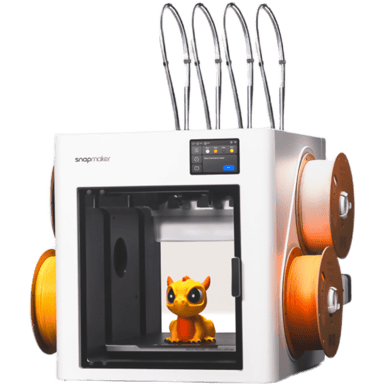

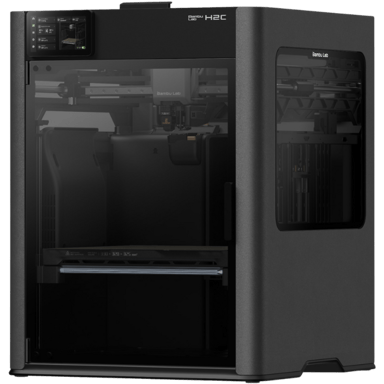
 Recaptor
 0
Cartling
0
Cartling